


Against the Madness of Consumption: The Hidden Face of November Sales

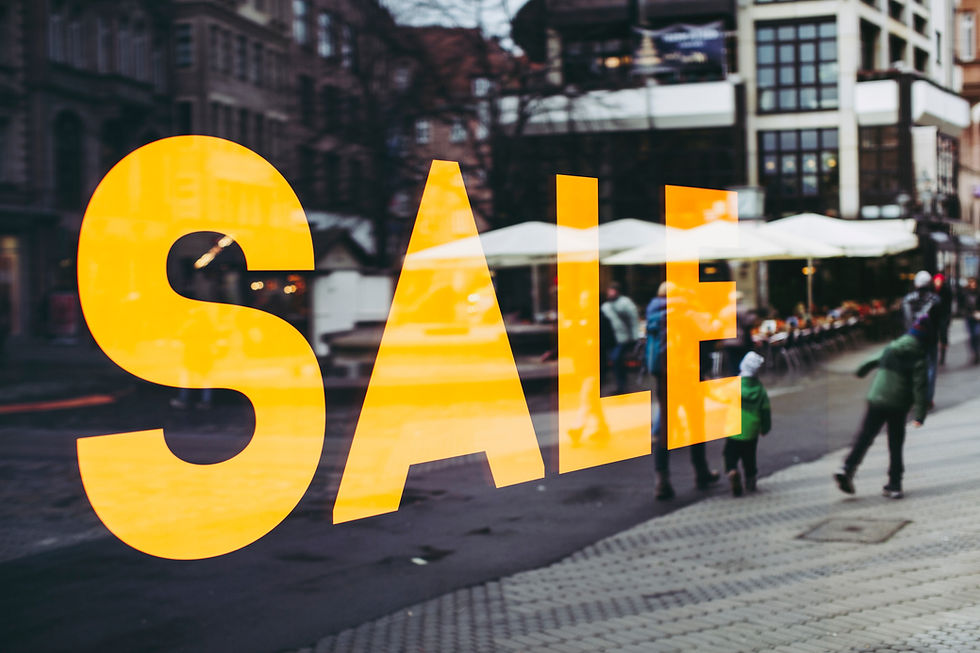
November brings with it a familiar chaos: the allure of discounts, the siren call of “limited-time offers,” and the collective rush of consumers chasing the next big deal. Black Friday, Cyber Monday, and the cascade of online flash sales create a phenomenon that is both mesmerizing and deeply unsettling. Beneath the glittering banners and “70% off” signs lies a complex web of social, psychological, and economic forces shaping our behavior.
The Social Pressure of Discounts
One of the most powerful engines of November consumption is social pressure. When peers share their haul online, when social media feeds overflow with curated shopping success, a subtle yet persistent message emerges: if you don’t participate, you are missing out. The pressure is not just to buy, but to be seen buying, to demonstrate status, taste, and social belonging. In a culture that constantly equates consumption with identity, these sales amplify the intensity of conformity.
Advertising and the Illusion of Necessity
Advertising magnifies desire through carefully crafted narratives. A sweater is no longer just a sweater — it becomes a symbol of achievement, aspiration, or self-expression. Limited-time offers create urgency, transforming rational decision-making into impulsive behavior. The constant bombardment of “must-have” items blurs the line between need and want, making the act of shopping feel like both survival and social proof.
The Psychology of Indulgence
November sales tap into the deeper currents of human psychology. The thrill of a bargain, the dopamine surge of completing a purchase, the validation from scoring something before it runs out — these are all designed to trigger emotional rewards. Social media further compounds this effect: every shared haul reinforces the notion that happiness and recognition are measured in material accumulation. The cycle is endless, and the fatigue it creates is collective.
Alternative Paths: Minimalism as Resistance
Yet, in the midst of this frenzy, there is another way. Minimalism offers not deprivation but choice — conscious, deliberate, and aesthetically grounded. Selecting quality over quantity, embracing timeless items instead of seasonal trends, and curating a wardrobe that aligns with personal values transforms consumption from reflex into reflection. Minimalism is not merely a style; it is a form of resistance, a gentle rebellion against the noise and pressures of consumer culture.
By making deliberate decisions, individuals reclaim agency over their desires. Each thoughtful purchase becomes a small act of mindfulness, a counterpoint to the rapid pace of mass consumption. Minimalism encourages us to slow down, recognize our own rhythms, and appreciate what we already have — all while participating in society without being consumed by it.
The Societal Responsibility of Conscious Consumption
The frenzy of November sales is more than an individual dilemma; it is a societal phenomenon. The structures that drive consumption — marketing strategies, peer pressure, social media algorithms — are deeply embedded in our cultural fabric. Understanding these forces is essential not only for personal well-being but for cultivating a society that values mindful, intentional interaction with goods.
In resisting the pull of endless discounts and ephemeral trends, we do more than protect our own peace: we contribute to a cultural shift. Conscious consumption challenges the collective madness and opens space for reflection, moderation, and, ultimately, sustainability. November can thus become more than a season of impulse — it can serve as a moment to pause, to observe, and to choose intentionally, shaping both our lives and the society we inhabit.


Comments