


Hiking: Is Walking a Luxury or a Necessity?


Walking is one of the oldest and most natural actions of human beings. Yet in modern life, walking has been extracted from everyday routines and transformed into an activity that must be planned—something time must be “set aside” for. As days pass between screens, even a few steps taken in nature begin to feel like a privilege.
Yet walking is not a luxury; it is the most simple form of connection one can establish with oneself.
Hiking is far more than a sport. It is not about performance, but about rhythm. It focuses not on the destination, but on the path itself. For this reason, in regions where hiking culture is deeply rooted, walking is not associated with achievement or pushing limits, but with balance and continuity.
In Scandinavian countries, in Switzerland and Austria, and in New Zealand, stepping into nature is a natural extension of daily life. Taking a short mountain walk in the morning and then going to work is not considered a luxury in these places; it is a practice of aligning body and mind to the same rhythm. Walking is not placed before life—it is placed within it.
This understanding appears across different parts of the world, expressed through diverse natural landscapes.
In southern Poland, the Tatra Mountains host some of Central Europe’s most striking hiking routes. Trails surrounded by lakes, peaks rising through mist, and paths woven through forests present nature without dramatization—just as it is. Walking these routes creates not a sense of challenge, but a feeling of continuity.
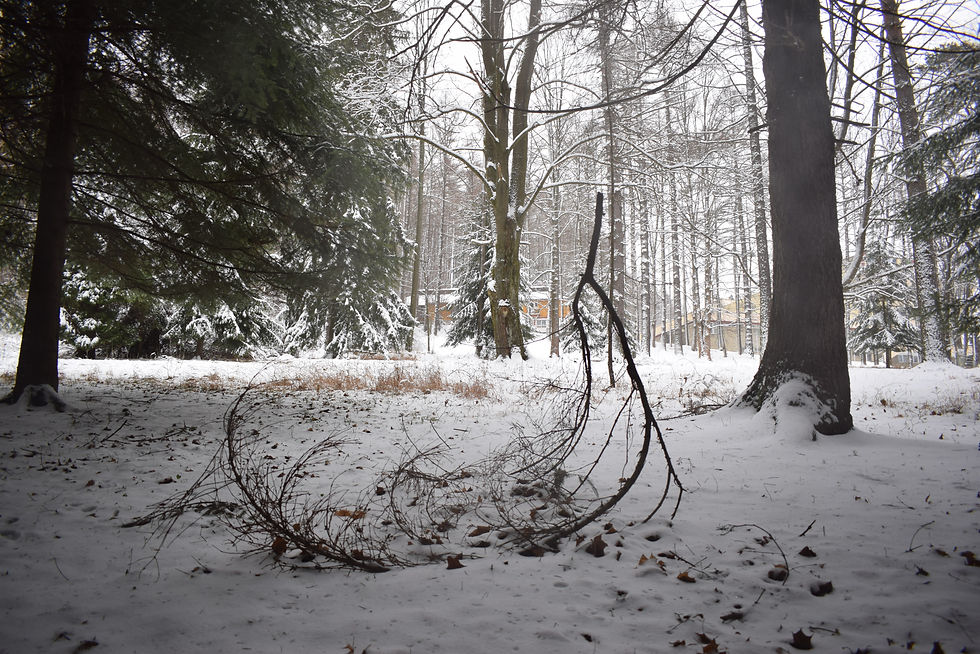
In the Czech Republic, hiking culture is quieter and more inward-looking. Routes in the Bohemian Forest and the Krkonoše Mountains are shaped less by steep ascents and more by long, steady walks. Trails often pass through dense forests, guided by simple and clear wayfinding signs. Here, walking does not mean competing with nature, but moving at the same pace as it.
Hiking routes in Türkiye stand out for their geographical diversity. The Lycian Way offers paths along the Mediterranean coast, balancing sea and mountain landscapes. Walking in the Kaçkar Mountains brings one face to face with nature’s raw strength; mist, rain, and sudden weather changes become part of the experience. In the valleys of Cappadocia, walking transforms into more than a physical act—it becomes a historical encounter. Paths carved through stone and time turn hiking into a practice of observation.

Despite their differences, these routes across the world share a common language. The aim is not to push the body, but to calm without isolating. Nature does not impose itself during a walk; it accompanies quietly.
Research shows that people who engage in regular nature walks experience lower stress levels, improved concentration, and a stronger sense of overall well-being. The reason is not movement alone. While walking, the body returns to a rhythm it has known for thousands of years. Breathing deepens, heart rate steadies, thoughts simplify.
During hiking, many people notice that they can approach everyday concerns with greater clarity. Walking does not solve problems, but it allows them to be seen from the right distance. Nature does not offer answers, but it creates space for one to hear their own voice.
Today, hiking is sometimes perceived as a form of escape. Yet perhaps the true escape is immobility. Remaining indoors for long hours and being constantly exposed to stimulation distances humans from their own nature. Walking is the simplest way to close that distance.
Reaching a summit is not necessary.Long routes are not required.Sometimes a short morning walk, sometimes a quiet forest path, is enough.

Hiking reminds us of this:
Life is not understood by speeding up, but step by step.


Comments